A Beginner's Guide to Metal Pipe Fabrication and Welding Basics
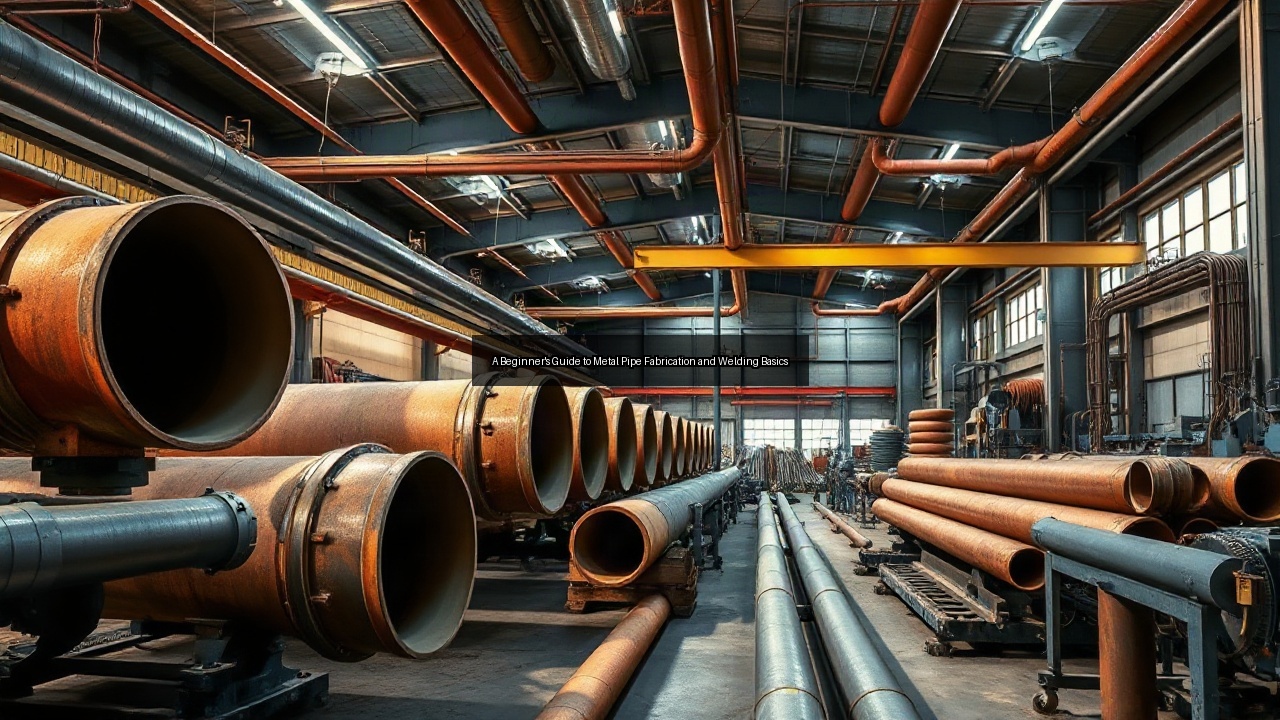
Understanding Metal Pipe Fabrication
What is Metal Pipe Fabrication?
Metal pipe fabrication transforms raw steel pipes and tubes into functional systems for industrial and commercial use. Fabricators cut, bend, and assemble components to create custom piping networks that handle fluids, gases, and structural loads. This process starts with precise measurements and ends with finished assemblies that meet exact specifications. Pipe fabrication differs from simple cutting because it involves multiple steps including forming, welding, and testing. Professionals rely on blueprints to ensure every joint aligns correctly and every length meets tolerance requirements. The result supports everything from oil refineries to HVAC systems. Beginners learn that successful pipe fabrication demands attention to material properties and weld integrity. Each project begins with material selection and ends with quality checks that verify pressure ratings and leak resistance. Mastering these basics builds the foundation for more complex work involving headers and multi-branch piping layouts.
Common Materials Used in Pipe Fabrication
Steel pipes dominate most pipe fabrication projects because they offer strength, durability, and cost efficiency. Carbon steel handles high-pressure applications while stainless steel resists corrosion in chemical environments. Alloy steels provide extra toughness when temperatures swing widely. Fabricators also work with aluminum tubes for lightweight structures and copper piping for plumbing systems. Material choice affects every downstream step, from cutting speed to weld settings. Pipe fabrication companies stock multiple grades so they can match customer needs without delays. Proper material verification prevents failures after installation. Workers check mill certificates and perform visual inspections before fabrication begins. Understanding these options helps beginners select the right steel pipe or tube for each job and avoid costly rework later.
The Importance of Steel Pipes in Fabrication
Steel pipes form the backbone of industrial pipe fabrication because they withstand extreme conditions that other materials cannot tolerate. Their high tensile strength supports long runs without sagging, while weldability allows strong joints that maintain pressure integrity. Fabrication shops prefer steel because it machines cleanly and accepts coatings that extend service life. Steel pipe sections join easily through welding or mechanical fittings, creating reliable systems for water, steam, and process fluids. Fabricators often start with standard sizes and then modify them through cutting, threading, or bending. This versatility makes steel the default choice for headers, manifolds, and main piping runs. Beginners quickly discover that mastering steel pipe techniques opens doors to most commercial projects. Consistent material performance also simplifies quality control during fabrication.
Key Techniques in Pipe Fabrication
Cutting and Shaping Pipes and Tubes
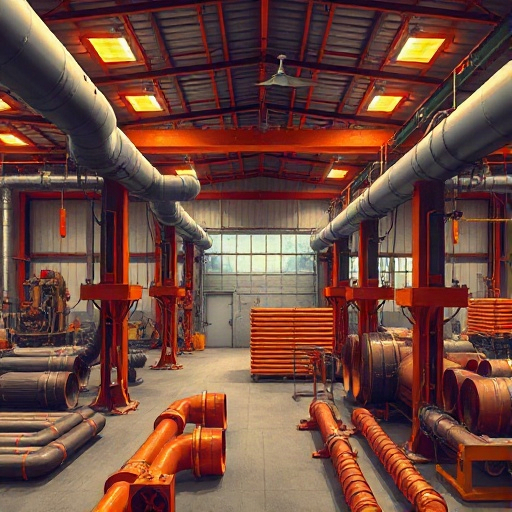
Cutting and shaping start every pipe fabrication job. Workers use band saws, plasma cutters, or abrasive wheels to achieve clean ends on steel pipes and tubes. Precise measurements prevent gaps that weaken welds later. Shaping follows with pipe benders that create smooth curves without flattening the bore. Fabricators calculate bend radii carefully to maintain flow characteristics. Templates and jigs ensure repeatability across multiple pieces. Proper cutting technique removes burrs and leaves square faces ready for welding. Pipe fabrication shops invest in CNC machines that automate these steps for higher accuracy. Beginners practice on scrap sections to develop steady hands and learn how different wall thicknesses respond to each tool. Accurate shaping reduces fit-up time and improves final weld quality on headers and branch connections.
Welding Techniques for Metal Fabrication
Welding pipe fabrication requires skill because joints must hold pressure and resist vibration. TIG welding delivers clean, precise beads on stainless steel pipes, while MIG suits thicker carbon steel sections. Stick welding remains useful for field repairs where portability matters. Fabricators prepare joints with proper bevels and root gaps before striking an arc. They control heat input to avoid distortion that misaligns piping runs. Multiple passes build strength on larger diameters. Pipe fabrication companies train welders to pass qualification tests that verify both skill and procedure compliance. Beginners start with flat positions and progress to vertical and overhead work common in real installations. Consistent technique prevents defects such as porosity or lack of fusion that compromise system integrity.
Joining Methods Beyond Welding
Mechanical joining methods expand options in pipe fabrication when welding is impractical. Flanges, threaded couplings, and grooved couplings allow quick assembly and future disassembly for maintenance. Compression fittings work well on smaller tubes where heat could damage coatings. Fabricators select these methods based on pressure ratings, temperature, and accessibility. Proper alignment during fitting prevents leaks that appear after pressurization. Some shops combine welding with mechanical joints to create hybrid systems that balance strength and serviceability. Understanding these alternatives helps beginners choose the most efficient approach for each piping layout. Pipe fabrication services often recommend mechanical options for temporary lines or areas requiring frequent inspection.
Essential Tools and Equipment for Pipe Fabrication
Overview of Pipe Fabrication Tools
Pipe fabrication tools range from basic hand tools to advanced machinery. Measuring tapes, levels, and squares ensure accuracy during layout. Pipe cutters, beveling machines, and grinders prepare edges for welding. Clamps and fixtures hold pieces steady during fit-up. Welding machines, positioners, and purge systems support high-quality joints on steel pipes. Fabrication shops also maintain inspection equipment such as ultrasonic testers and pressure pumps. Beginners benefit from learning each tool’s purpose before tackling full projects. Proper maintenance keeps blades sharp and machines calibrated, reducing downtime. Access to the right equipment directly affects productivity and the final quality of any pipe fabrication job.
Safety Gear for Pipe Fabrication
Safety gear protects workers throughout pipe fabrication. Welders wear helmets with proper shade lenses, leather gloves, and flame-resistant clothing to guard against sparks and UV exposure. Respirators filter fumes from cutting and welding steel pipes. Safety glasses, steel-toe boots, and hearing protection cover everyday hazards in the shop. Pipe fabrication companies enforce strict protocols because injuries slow production and raise costs. Beginners must adopt these habits early to build safe routines. Proper ventilation and fire-watch procedures further reduce risks during welding operations. Consistent use of safety equipment keeps projects on schedule and maintains a professional work environment.
Choosing the Right Equipment for Your Shop
Selecting equipment for a pipe fabrication shop involves matching tools to expected project sizes. A small operation might start with portable welders and manual benders, while larger shops invest in CNC cutters and automated welding stations. Budget considerations include both purchase price and ongoing maintenance. Versatility matters because one machine can often handle multiple steel pipe diameters. Fabricators evaluate power requirements, floor space, and operator training needs before buying. Reliable suppliers provide service support that prevents long delays. Beginners should prioritize core tools that deliver immediate value rather than specialized equipment used infrequently. Smart purchasing decisions improve efficiency and competitiveness in pipe fabrication services.
Finding the Right Pipe Fabrication Services
Evaluating Pipe Fabrication Companies
Evaluating pipe fabrication companies requires checking experience, certifications, and past project examples. Look for shops that hold ASME or AWS credentials confirming their welding procedures meet industry standards. Review case studies involving steel pipes and complex headers to gauge capability. Ask about turnaround times and quality control processes. Site visits reveal equipment condition and organization. Customer references provide insight into communication and delivery reliability. Beginners benefit from comparing multiple pipe fabrication companies before committing to a partner. Thorough evaluation prevents surprises in cost or quality on critical piping projects.
What to Look for in a Fabrication Shop
A strong fabrication shop maintains clean workspaces, calibrated equipment, and trained personnel. Clear documentation of material traceability and weld records demonstrates professionalism. Shops that offer design assistance help customers refine piping layouts before fabrication begins. Capacity to handle both small prototypes and large production runs adds flexibility. Proximity reduces shipping time and cost for finished assemblies. Pipe fabrication shops with in-house testing capabilities shorten lead times by completing inspections on site. Beginners should prioritize shops that explain processes clearly and provide realistic schedules. These traits indicate a reliable partner for ongoing pipe fabrication needs.
Understanding Pricing in Pipe Fabrication Services
Pricing in pipe fabrication services depends on material costs, labor hours, and complexity. Steel pipe prices fluctuate with market conditions, affecting overall quotes. Simple straight runs cost less than jobs requiring multiple bends and welds on headers. Shops calculate price based on diameter, wall thickness, and joint type. Volume discounts apply for repeat orders. Customers should request itemized quotes that separate material and fabrication charges. Understanding these factors helps beginners budget accurately and compare offers from different pipe fabrication companies. Transparent pricing builds trust and supports long-term working relationships.