The Art of Custom Skid Fabrication for Unique Industrial Needs
Understanding Custom Skid Fabrication
Importance of Customization in Skid Fabrication
Custom skid fabrication plays a crucial role in meeting the diverse and specialized requirements of various industries. Every operation has unique demands, and off-the-shelf solutions often fall short. Customization allows manufacturers to design modular process skids that align perfectly with specific operational needs, optimizing functionality and efficiency. These tailored solutions enhance productivity by integrating various systems into a single, modular skid. Custom fabrication also offers flexibility, enabling companies to adapt quickly to evolving industry standards and technological advancements. By investing in custom skid fabrication, businesses can ensure that their operations are not only efficient but also scalable and future-proof.
Overview of Modular Process Skids
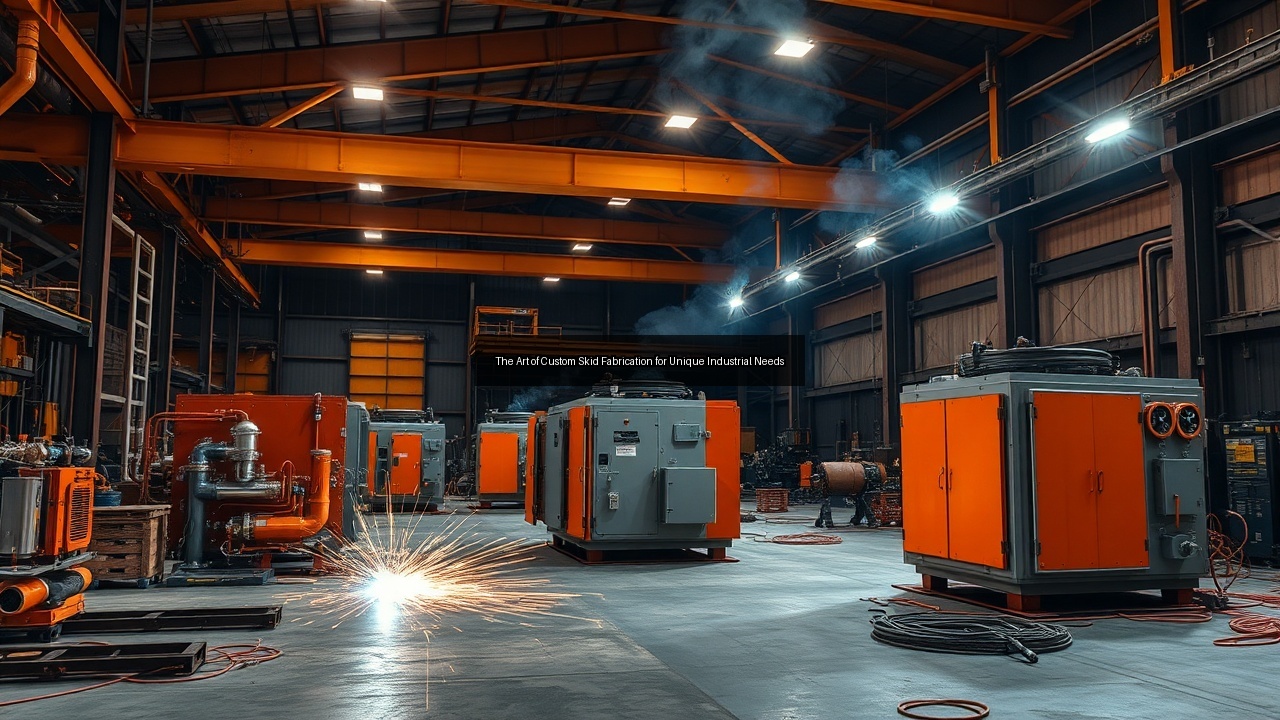
Modular process skids represent a significant advancement in industrial design, allowing manufacturers to consolidate various process systems into a compact, transportable unit. These skids facilitate a range of applications, from oil and gas to construction and beyond. A modular skid typically includes components such as pumps, valves, and control systems, all pre-assembled and tested to ensure seamless integration at the installation site. This modular approach reduces installation time and minimizes downtime during commissioning. The ability to transport these skids easily means that businesses can quickly deploy their systems to different locations, enhancing operational flexibility and minimizing logistics costs.
Key Industries Utilizing Skid Fabrication
Various industries benefit from custom skid fabrication, including the oil and gas industry, construction, chemical processing, and water treatment. In the oil and gas sector, modular skids streamline operations by integrating drilling, processing, and transportation systems into a unified framework. The construction industry utilizes these skids for temporary facilities, including site offices and equipment storage, improving project efficiency. Additionally, modular skid fabrication chemical processing plants employ skid fabrication to ensure safe, efficient handling of hazardous materials. Each sector demands specific designs and materials, often utilizing alloys and other advanced materials to enhance durability and performance. This adaptability makes skid fabrication a versatile solution across industries.
The Fabrication Process: From Design to Delivery
Initial Design Considerations
The fabrication process begins with a thorough understanding of the client's requirements and operational goals. Initial design considerations include functionality, space constraints, and regulatory compliance. Expert designers collaborate with clients to develop detailed specifications, ensuring that the final product meets all intended uses. Factors such as the type of materials, weight distribution, and ease of maintenance all play significant roles in the design phase. Advanced software tools enable manufacturers to create 3D models, allowing for simulation and adjustments before actual fabrication begins. This proactive approach minimizes errors and ensures that the final skid design adheres to the highest standards.
The Role of Welding in Skid Fabrication
Welding serves as a foundational element in skid fabrication, creating robust connections between various components. High-quality welding techniques ensure that the finished product can withstand operational stresses and environmental conditions. Different welding methods, including MIG, TIG, and stick welding, may be employed depending on the materials and design specifications. The choice of alloy and welding technique directly impacts the overall strength and durability of the skid. Skilled welders and fabricators play a key role in ensuring that every joint meets rigorous quality standards. Effective welding not only enhances structural integrity but also contributes to the longevity and performance of modular process systems.
Machining Techniques for Precision Fabrication
Machining techniques further enhance the accuracy and precision of skid fabrication. This process includes cutting, drilling, and milling operations that shape various components to exact specifications. Precision machining ensures that parts fit seamlessly together, which is vital for the efficient operation of modular skids. Advanced CNC (Computer Numerical Control) machines enable manufacturers to produce complex geometries with high repeatability and minimal waste. Utilizing sophisticated machining technologies allows fabricators to maintain tight tolerances, resulting in a final product that meets all technical requirements. The integration of machining with welding and assembly processes creates a streamlined workflow that optimizes production and quality assurance.
Quality Control and Assurance in Skid Manufacturing
Implementing Quality Management Systems
Quality control and assurance are paramount in skid manufacturing, ensuring that every component meets the required industry standards. Implementing robust quality management systems (QMS) allows manufacturers to monitor and improve processes continually. These systems involve regular inspections, testing, and documentation throughout the fabrication process. Adhering to recognized standards, such as ISO certifications, enhances credibility and assures clients of the quality of their custom skids. A comprehensive QMS not only identifies potential issues early but also fosters a culture of continuous improvement, ultimately delivering superior products that exceed customer expectations.
Safety Standards in Fabrication
Safety standards play a critical role in the skid fabrication process, safeguarding both workers and end-users. Compliance with industry regulations, such as OSHA guidelines, ensures a safe working environment and minimizes risks associated with fabrication. Manufacturers must conduct regular safety audits and training for their workforce to maintain awareness of best practices. Incorporating safety features into the design of modular skids also enhances operational safety. For instance, implementing emergency shut-off systems and proper signage contributes to a safer working environment. Prioritizing safety not only protects personnel but also reduces liability and enhances the overall reputation of the fabrication company.
Risk Management in Skid Fabrication
Effective risk management strategies are essential in skid fabrication to identify, assess, and mitigate potential challenges throughout the production lifecycle. From design flaws to material shortages, manufacturers must anticipate risks and develop contingency plans. Regular risk assessments allow companies to adapt their processes as needed, ensuring that projects remain on schedule and within budget. Collaboration with suppliers and clients also plays a vital role in managing risks. By maintaining open lines of communication, fabricators can address issues proactively, minimizing disruptions. Implementing a comprehensive risk management framework enhances the reliability of custom skid fabrication and fosters long-term partnerships with clients.
Choosing the Right Skid Fabrication Company
Evaluating Fabrication Services and Technologies
Selecting the right skid fabrication company involves careful evaluation of their services and technologies. Companies should assess the manufacturer's expertise in custom skid fabrication, including their experience with modular process skids. Investigating available technologies, such as advanced welding and machining capabilities, can reveal how well a company can meet specific project needs. Additionally, reviewing past projects and client testimonials provides insight into the quality of their work. A reputable fabrication company will offer comprehensive support, from initial design consultation through to delivery, ensuring that clients receive tailored solutions that align with their operational goals.
Understanding Licensing and Compliance
Licensing and compliance are critical factors when selecting a skid fabrication company. Manufacturers must adhere to local and international regulations governing safety, quality, and environmental impact. Verifying that a company holds the necessary licenses and certifications can prevent legal complications and ensure industry compliance. This diligence not only protects your investment but also guarantees that the final products align with industry standards. Engaging with a licensed fabricator instills confidence in the quality and safety of the modular skids, enabling businesses modular skid fabrication to focus on their core operations without concerns about regulatory issues.
Cost Considerations for Custom Skids
Cost plays a significant role in the decision-making process when choosing a skid fabrication company. While it's essential to find a manufacturer that offers competitive pricing, quality should never be compromised. Requesting detailed quotes from multiple companies provides a clearer understanding of the overall costs involved, including materials, labor, and delivery. Understanding the factors that influence pricing, such as design complexity and material choices, can help businesses make informed decisions. Ultimately, investing in quality skid fabrication may lead to long-term savings by reducing maintenance and operational costs. Balancing cost, quality, and service will lead to a successful partnership with the right skid fabrication company.