How Anti Vibration Rubber Mounts Enhance Marine Equipment Longevity
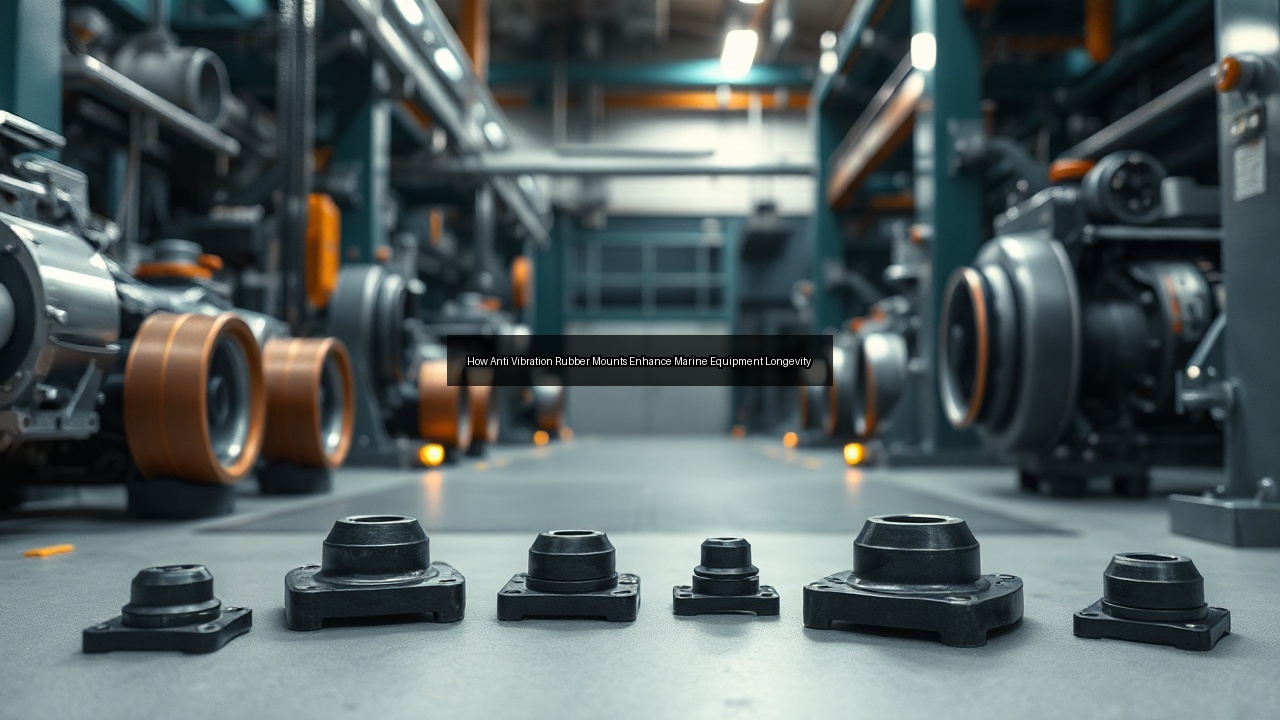
Understanding Vibration in Marine Equipment
What Causes Vibration in Marine Machinery?
Marine machinery experiences constant vibration from engine operation, propeller rotation, and wave impacts on hulls. These forces transmit through metal frames and create ongoing stress on generators, compressors, and pumps. Operators notice that unbalanced rotors or misaligned shafts amplify the problem, especially during high-speed runs. Construction of vessels often places heavy equipment near living quarters, which allows vibrations to travel further. Manufacturing tolerances in marine engines also contribute when parts wear unevenly over time. Anti vibration rubber mounts address these root causes by absorbing energy at the source before it spreads through the structure. Regular monitoring of diesel engines and auxiliary systems helps identify early signs of excessive movement. Without proper isolation, crews face accelerated fatigue in critical components.
The Impact of Vibration on Equipment Longevity
Vibration shortens the service life of marine equipment by loosening bolts, cracking welds, and wearing bearings prematurely. Continuous exposure leads to leaks in fuel lines and hydraulic systems that require frequent repairs. Transformers and other sensitive machinery suffer reduced performance when vibrations disrupt internal connections. Crews report that unaddressed vibrations increase downtime during long voyages. Rubber mounts limit these effects by damping movement and protecting structural integrity. Stainless steel components paired with elastomeric isolators resist corrosion while maintaining stability in saltwater environments. Proper vibration reduction extends intervals between overhauls and keeps generators running reliably. Operators gain measurable improvements in overall reliability when they install anti vibration rubber mounts at key mounting points.
Frequency Ranges and Their Effects on Marine Systems
Marine systems encounter vibration frequencies from low-range hull resonance around 5-20 Hz up to higher engine harmonics exceeding 100 Hz. Low frequencies cause large displacements that stress pipe hangers and foundations. Mid-range frequencies produce noise that travels through decks and bulkheads. High frequencies accelerate wear on precision components inside compressors and HVAC systems. Anti vibration rubber mounts target specific frequency bands through tailored stiffness and height adjustments. Natural rubber handles moderate loads effectively while neoprene offers better resistance to oil and ozone. Engineers select mounts based on measured frequency data collected during sea trials. This targeted approach prevents resonance that would otherwise damage machinery and reduce operational efficiency.
The Role of Anti Vibration Rubber Mounts
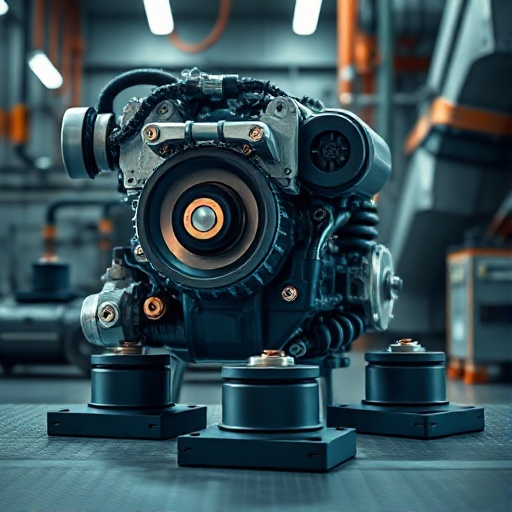
How Anti Vibration Rubber Mounts Function
Anti vibration rubber mounts function by converting kinetic energy from machinery movement into heat through internal friction within the elastomeric material. The rubber compresses and shears under load, which isolates the equipment base from the vessel structure. Vibration isolators of this type reduce transmission of forces that would otherwise fatigue metal connections. Cone-shaped designs concentrate damping in vertical directions while bumper-style units handle lateral shocks. Wire rope elements sometimes combine with rubber for extreme applications. Operators achieve effective vibration isolation when they match mount capacity to the weight and operating speed of each machine. This method protects engines, generators, and transformers from cumulative damage during extended marine service.
Types of Materials Used: Natural Rubber vs. Neoprene
Natural rubber provides excellent elasticity and vibration damping for general marine applications where oil exposure remains minimal. It recovers quickly after compression and maintains flexibility across wide temperature ranges. Neoprene rubber delivers superior resistance to fuels, lubricants, and marine atmospheres that degrade standard compounds. Manufacturers blend these materials to balance damping performance with environmental durability. Anti vibration rubber mounts made from neoprene last longer near engines and compressors where fluid leaks occur. Natural rubber versions suit HVAC systems and transformers that operate in cleaner zones. Both options support vibration control when sized correctly for the application. Selection depends on expected chemical exposure and required service temperature.
Design Considerations: Stiffness and Height
Stiffness determines how much a mount deflects under load and directly affects the natural frequency of the isolated system. Higher stiffness suits heavy generators while softer compounds work better for lighter compressors. Height influences stability and the amount of shear movement allowed during operation. Taller mounts increase isolation efficiency but require careful alignment to prevent rocking. Engineers calculate required diameter and durometer values to achieve target vibration reduction. Anti vibration rubber mounts with adjustable height features simplify fine-tuning during installation. Proper design prevents bottoming out under dynamic loads common in rough seas. These considerations ensure consistent performance across varying marine conditions.
Applications of Anti Vibration Rubber Mounts in Marine Environments
Vibration Isolation in Generators and Compressors
Generators and compressors produce strong vibrations that transmit through decks and affect nearby navigation equipment. Anti vibration rubber mounts placed under these units limit force transfer and maintain alignment of drive couplings. Marine operators install multiple mounts per machine to distribute weight evenly and achieve balanced isolation. Frequency-specific tuning prevents amplification of engine harmonics that would otherwise cause structural fatigue. Stainless steel hardware resists corrosion while the rubber elements absorb shocks from wave action. Vibration damping in this manner extends bearing life and reduces maintenance calls during voyages. Crews notice quieter operation and fewer loose fittings after retrofitting with proper isolators.
Using Rubber Mounts in HVAC Systems
HVAC systems on vessels cycle frequently and create noticeable vibration through ductwork and mounting frames. Rubber mounts isolate fans and compressors from the hull, which prevents noise and structural stress. Engineers position anti vibration rubber mounts at each corner of air handling units to control both vertical and horizontal movement. Height adjustments allow clearance for maintenance access while maintaining effective damping. Neoprene compounds handle the humid marine environment better than standard rubber. Vibration isolation in HVAC systems improves passenger comfort and protects sensitive electronic controls from interference. Routine checks confirm that mounts retain their original stiffness after prolonged exposure to temperature swings.
Vibration Control in Transformers and Other Machinery
Transformers experience vibration from alternating current that can loosen connections over time. Anti vibration rubber mounts support these units and reduce transmission to surrounding panels and piping. Similar isolation benefits apply to pumps, winches, and other deck machinery subject to continuous operation. Elastomeric pads combined with stainless steel plates provide durable mounting points resistant to saltwater spray. Vibration control measures keep electrical systems stable and minimize electromagnetic interference caused by mechanical movement. Operators achieve longer service intervals when they select mounts rated for the combined static and dynamic loads of each piece of equipment. This approach supports overall vessel reliability in demanding conditions.
Benefits of Implementing Anti Vibration Solutions
Enhancing Noise Control and Reducing Operational Noise
Anti vibration rubber mounts lower structure-borne noise that travels through decks and bulkheads. Reduced vibration means less resonance in panels and fewer complaints from crew quarters located near machinery spaces. Noise control improves when mounts break the path between sources such as engines and living areas. Marine vessels equipped with proper isolators meet stricter sound regulations without adding heavy acoustic barriers. Natural rubber and neoprene compounds both contribute to damping while resisting degradation. Operators measure significant decibel reductions after installation, which enhances working conditions during long passages. Effective vibration isolation supports both regulatory compliance and onboard comfort.
Improving Equipment Reliability and Reducing Downtime
Vibration reduction directly improves reliability by protecting bearings, seals, and electrical connections from premature wear. Machines mounted on anti vibration rubber mounts experience fewer unexpected failures that interrupt operations at sea. Reduced downtime translates to higher availability for critical systems like generators and HVAC units. Marine engineers track extended service life when they implement consistent isolation strategies across multiple pieces of equipment. Stainless steel reinforced mounts maintain performance even after repeated exposure to motion and corrosion. This reliability gain allows planned maintenance instead of emergency repairs during voyages. Overall vessel uptime increases measurably with systematic use of vibration isolators.
Cost-Effectiveness of Using Vibration Damping Solutions
Initial investment in anti vibration rubber mounts returns through lower repair costs and extended equipment life. Fewer replacement parts and reduced labor hours offset the purchase price within the first year of service. Vibration damping also prevents secondary damage to foundations and piping that would require expensive fabrication work. Marine operators calculate savings from avoided downtime during peak operational periods. Durable neoprene and natural rubber compounds resist aging, which minimizes replacement frequency. Cost-effective solutions scale across generators, compressors, and transformers without custom engineering for each installation. Long-term savings accumulate when vessels adopt standardized mount specifications during construction and refits.
Best Practices for Installation and Maintenance
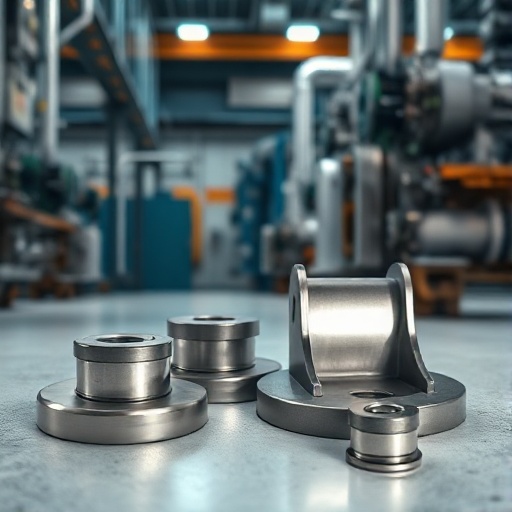
Selecting the Right Size and Type of Vibration Mount
Proper selection starts with accurate weight distribution and operating frequency data for each machine. Anti vibration rubber mounts must match both static load and dynamic forces encountered in marine service. Diameter and height specifications determine stability and isolation efficiency. Engineers review manufacturer load charts to avoid under- or over-sizing that reduces performance. Neoprene suits oily environments while natural rubber fits cleaner applications. Stainless steel hardware ensures corrosion resistance in saltwater conditions. Matching mount type to specific equipment prevents resonance and supports effective vibration control from the start.
Installation Tips for Optimal Performance
Level mounting surfaces before placing anti vibration rubber mounts to ensure even load distribution. Torque bolts to specified values without crushing the elastomeric material. Maintain recommended spacing between mounts to avoid uneven deflection under operation. Align machinery couplings after installation to prevent additional stress from misalignment. Test run equipment at operating speed and measure vibration levels to confirm isolation effectiveness. Adjust height where possible to fine-tune natural frequency away from excitation sources. Proper installation practices maximize the benefits of vibration damping and extend service intervals for marine machinery.
Routine Maintenance and Inspection of Rubber Mounts
Inspect anti vibration rubber mounts regularly for cracks, compression set, or fluid contamination that signals replacement needs. Check mounting hardware for corrosion and re-torque bolts according to schedule. Measure remaining height and stiffness to detect aging before performance drops. Clean surfaces around mounts to prevent debris from accelerating wear. Document inspection results to track service life across generators, HVAC systems, and transformers. Timely replacement of degraded isolators maintains consistent vibration reduction and protects overall equipment longevity in marine environments. Scheduled maintenance prevents small issues from developing into major failures during operation.
See Also
- The Impact of Vibration Reduction on Generator Efficiency and Reliability
- A Deep Dive into the Benefits of Anti Vibration Pads in Construction
- Choosing the Right Diameter for Your Anti Vibration Rubber Mounts
- Innovations in Vibration Control for Compressors and Industrial Machinery
- Understanding the Stiffness of Rubber Mounts for Optimal Vibration Control