The Future of Energy Efficient Plastics from Green Bay
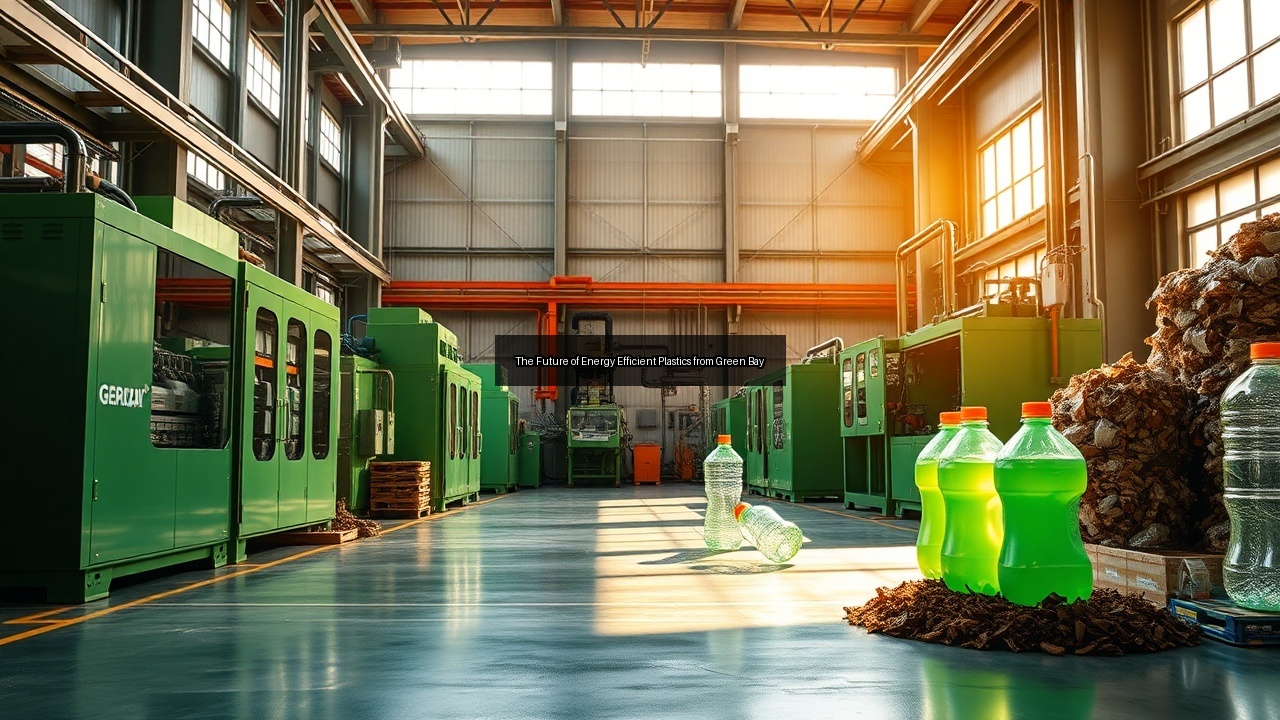
The Evolution of Plastics Manufacturing in Green Bay
Historical Overview of Green Bay Plastics
Green Bay plastics production began with small-scale operations in the mid-20th century that supplied local industries with basic containers and components. Over decades, manufacturers expanded capacity to meet national demand, shifting from simple extrusion methods to advanced techniques that emphasized durability and cost control. Today Green Bay stands as a hub for high-volume plastic output, with facilities integrating modern automation while maintaining a focus on regional supply chains. Historical records show early companies experimenting with polyethylene blends that later evolved into specialized resins for packaging and industrial uses. This progression positioned Green Bay plastics as reliable options for businesses seeking consistent quality and rapid turnaround times.
Key Manufacturers in Green Bay
Several established manufacturers anchor the Green Bay plastics sector, operating large plants that produce millions of units annually. These companies invest in workforce training and equipment upgrades to sustain output levels that support both domestic and export markets. Local firms handle everything from raw material processing to final assembly, creating jobs that bolster the regional economy. Key players maintain strict quality standards that align with industry certifications, ensuring their products meet performance expectations across sectors. Green Bay plastics manufacturers often collaborate on shared infrastructure projects that improve logistics and reduce downtime across the supply network.
Innovations in Blow Molding Techniques
Engineers in Green Bay have refined blow molding processes to create lighter yet stronger containers that require less raw material per unit. These advancements include multi-layer wall designs and precision parison control that minimize defects during high-speed runs. Blow molded products now feature improved barrier properties that extend shelf life for sensitive goods. Manufacturers test new mold configurations on the factory floor to optimize cycle times and energy use. Such innovations keep Green Bay plastics competitive against overseas alternatives while supporting made in the USA labeling that appeals to buyers prioritizing domestic sourcing.
Sustainable Practices in Green Bay Plastics Production
Utilizing Recycled Materials in Manufacturing
Green Bay plastics producers incorporate post-consumer resins into new items without sacrificing structural integrity. Facilities sort and clean incoming waste streams before reprocessing them into pellets suitable for extrusion and blow molding lines. This approach diverts significant volumes from landfills while lowering dependence on virgin feedstocks. Manufacturers track resin blends through detailed documentation that verifies recycled content percentages for customer audits. Adoption of these materials strengthens the circular economy around Green Bay plastics and meets growing buyer preferences for sustainable supply options.
Energy Efficiency in Production Processes
Plants across Green Bay upgrade motors, heating elements, and cooling systems to cut electricity consumption during peak production hours. Real-time monitoring software identifies inefficiencies on the factory floor and triggers automatic adjustments that maintain output targets. Energy audits guide capital investments in insulation and variable-speed drives that deliver measurable reductions in utility costs. These steps allow Green Bay plastics operations to produce more units per kilowatt-hour than older facilities elsewhere. The focus on efficiency supports long-term viability for local manufacturers facing rising power prices.
Reducing Carbon Footprint of Plastics
Companies measure greenhouse gas emissions across every stage of plastic production and implement targeted reductions through process tweaks and supplier changes. Green Bay facilities switch to lower-emission resins and optimize transportation routes to shrink scope 3 impacts. Carbon accounting tools provide the information needed to set annual improvement goals and report progress to stakeholders. Lower overall emissions enhance the appeal of Green Bay plastics for brands pursuing net-zero commitments. These efforts demonstrate how regional manufacturing can align with broader climate objectives.
Applications of Energy Efficient Plastics
Packaging Solutions for Food and Beverage
Lightweight blow molded bottles and jars from Green Bay plastics protect food and beverage products during shipping and storage. Manufacturers design closures and necks that reduce leakage risks while maintaining tamper evidence. These packaging formats offer clear labeling surfaces that help brands communicate product details effectively. Green Bay facilities produce custom sizes that fit existing filling lines without major retooling. The resulting containers balance protection, weight savings, and visual appeal that supports retail sales goals.
Water Management Systems Using HDPE
HDPE pipes and fittings manufactured in Green Bay handle municipal water distribution and drainage projects with high resistance to corrosion and pressure. Contractors install these components in new subdivisions and infrastructure upgrades because they deliver decades of service with minimal maintenance. Green Bay plastics suppliers provide technical data on flow rates and joint integrity that engineers rely on during project planning. The material withstands temperature swings common in northern climates without cracking. Such applications highlight the practical value of locally produced HDPE solutions.
Motor Oil Containers: A Case Study
A leading lubricant brand sources motor oil bottles from Green Bay manufacturers that meet exacting leak-proof standards. The containers feature ergonomic handles and calibrated pour spouts that improve user experience at retail and service locations. Production runs incorporate recycled content while preserving the chemical resistance required for petroleum products. Case documentation shows consistent fill weights and drop-test performance that satisfies regulatory requirements. This partnership illustrates how Green Bay plastics deliver specialized performance for demanding industrial packaging needs.
The Role of Corporations in Advancing Sustainability
Leading Brands in Green Bay Plastics
Prominent corporations that rely on Green Bay plastics integrate these materials into product lines sold nationwide. These brands evaluate suppliers based on reliability, quality consistency, and sustainability metrics that influence purchasing decisions. Green Bay facilities earn preferred status through on-time delivery records and willingness to customize formulations. Brand teams visit production sites to verify processes firsthand and build relationships that support long-term contracts. The visibility of these partnerships elevates the profile of Green Bay plastics in competitive markets.
Corporate Social Responsibility Initiatives
Corporations tied to Green Bay plastics launch programs that fund community education on waste reduction and recycling habits. They sponsor local clean-up events and provide grants for school projects that explore material science topics. Internal policies require progress reports on energy use and waste diversion that tie directly to executive compensation structures. These initiatives create goodwill while driving operational improvements that benefit Green Bay manufacturing overall. Transparent reporting builds trust with consumers who examine corporate practices before making purchases.
Collaboration with Environmental Organizations
Green Bay companies partner with nonprofits to pilot advanced sorting technologies that increase recovery rates for plastic waste streams. Joint projects test collection methods in commercial settings and share findings that inform broader industry standards. Environmental groups provide third-party verification of sustainability claims attached to Green Bay plastics products. These alliances help manufacturers stay ahead of changing expectations around responsible production. Collaboration accelerates the adoption of practices that reduce environmental impacts across the sector.
Future Trends in Green Bay Plastics
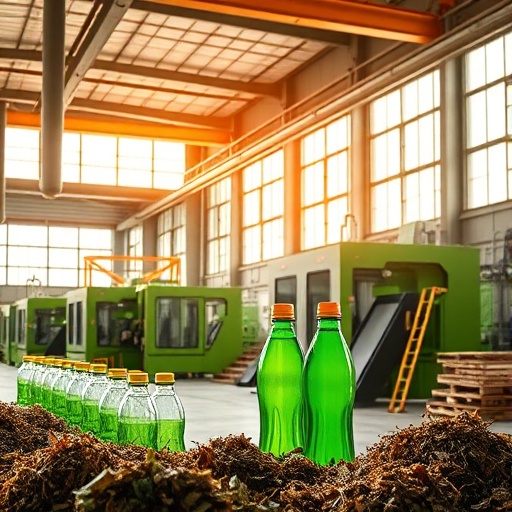
Emerging Technologies in Plastic Recycling
Green Bay facilities explore chemical recycling methods that break down mixed plastics into feedstock for new resin production. Pilot lines demonstrate higher purity outputs than traditional mechanical processes alone. Researchers test enzymatic treatments that target specific polymer bonds to improve separation efficiency. These technologies expand the range of materials that can enter closed-loop systems serving Green Bay plastics manufacturers. Continued investment positions the region at the forefront of next-generation recycling capabilities.
Predictions for Energy Efficiency Improvements
Analysts forecast further gains in energy efficiency as Green Bay plants adopt artificial intelligence for predictive maintenance and process optimization. New equipment designs promise lower heat loss during molding cycles and faster changeovers between product runs. Cumulative improvements could reduce per-unit energy requirements by another 20 percent within the next decade. Manufacturers plan phased rollouts that minimize disruption while capturing savings. These trends reinforce the competitive edge of Green Bay plastics in an efficiency-focused marketplace.
The Impact of Regulations on Plastics Manufacturing
Upcoming federal and state rules on recycled content and emissions reporting will shape investment decisions for Green Bay manufacturers. Companies prepare by updating tracking systems and auditing supply chains to ensure compliance ahead of deadlines. Regulations that favor domestic production may boost demand for made in the USA plastics that already meet higher environmental benchmarks. Green Bay operations respond with proactive adjustments that turn compliance into a market advantage. The evolving regulatory landscape will continue to drive innovation across the entire Green Bay plastics ecosystem.
See Also
- Green Bay Plastics A Sustainable Solution for Motor Oil Packaging
- From Bottles to Floors The Versatility of Green Bay Plastics
- How Green Bay Plastics is Shaping Corporate Sustainability in the USA
- How Green Bay Plastics is Leading the Charge in Sustainable Packaging
- Exploring the Eco-Friendly Revolution of Green Bay Plastics