Understanding the Importance of Material Selection in Custom Manifolds
The Role of Material Selection in Custom Manifold Design
Understanding Different Materials: Brass, Aluminum, and Stainless Steel
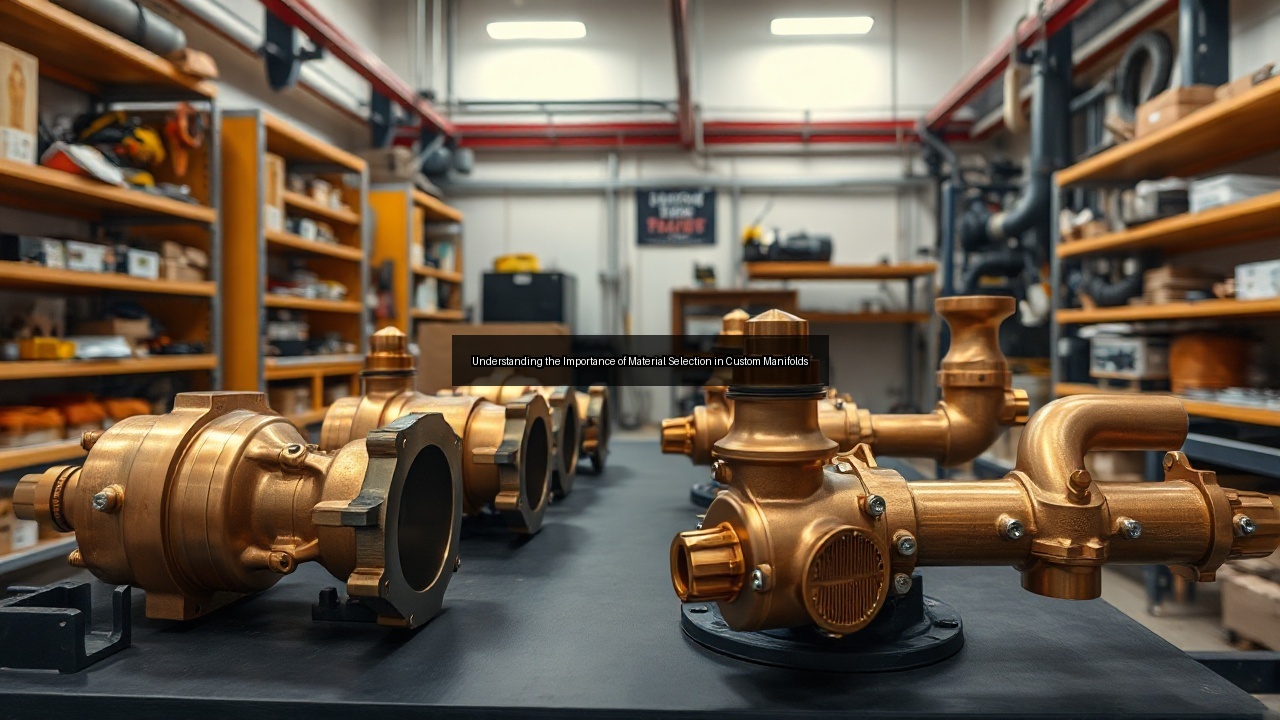
Material selection plays a crucial role in the design of custom manifolds, as it directly impacts performance, durability, and cost. Brass, aluminum, and stainless steel represent the most common materials used in manifold construction. Brass offers excellent corrosion resistance and good machinability, making it ideal for applications involving fluids with varying chemical compositions. Aluminum, on the other hand, provides a lightweight option without sacrificing strength, making it an optimal choice in aerospace and automotive applications where weight is a critical factor. Stainless steel stands out for its exceptional strength and resistance to high temperatures, making it suitable for high-pressure hydraulic systems.
Each material has unique properties that affect the manifold's overall performance. For example, brass's ability to withstand corrosion makes it suitable for environments with moisture or aggressive chemicals. Aluminum's lighter weight allows for easier handling and installation, while stainless steel's robustness ensures longevity in high-stress applications. Understanding these characteristics helps engineers make informed decisions tailored to the specific requirements of their applications.
Properties of Materials: Strength, Weight, and Corrosion Resistance
The properties of materials used in custom manifolds determine their suitability for particular applications. Strength is paramount in hydraulic systems, where manifolds must withstand high pressure without failing. Stainless steel excels in this area, maintaining structural integrity under extreme conditions. In contrast, aluminum, while not as strong, can still perform admirably in environments with lower pressure requirements.
Weight is another critical factor, especially in industries like aerospace, where minimizing mass is essential for fuel efficiency. Aluminum’s lightweight nature gives it an edge in such applications, allowing for innovative designs without compromising performance. Corrosion resistance is equally important; manifolds often operate in harsh environments that expose them to moisture and chemicals. Brass and stainless steel typically provide superior resistance to corrosion, ensuring a longer lifespan and reduced maintenance costs.
Cost Considerations in Material Selection
Cost plays a pivotal role in material selection for custom manifolds. Brass tends to be less expensive than stainless steel, making it a popular choice for budget-sensitive projects. However, the initial cost of a material does not always reflect its long-term value. While aluminum may have a higher upfront cost, its lightweight nature can lead to savings in transportation and installation. Engineers must weigh these factors against the performance requirements of the manifold.
Additionally, manufacturers must consider the cost of machining and fabrication processes. Some materials, like stainless steel, can be more challenging to work with, increasing labor costs and production time. Understanding the total cost of ownership—including maintenance and replacement—helps companies make decisions that align with their budgetary constraints while ensuring they receive a product that meets their needs.
Applications of Custom Manifolds Across Industries
Hydraulic and Pneumatic Systems: Importance in Fluid Power
Custom manifolds play a vital role in hydraulic and pneumatic systems, which are essential for fluid power applications. These systems rely on the precise control of fluid flow to operate machinery efficiently. Manifolds serve as the central hub for directing and regulating fluid to various components, including pumps, actuators, and valves. In hydraulic systems, manifolds must handle high pressures and ensure leak-free performance, making material selection crucial for reliability.
In pneumatic systems, where compressed air is used, manifolds must accommodate varying pressure levels while maintaining efficiency. The design and configuration of custom manifolds can significantly impact the overall performance of these systems, influencing factors such as flow rates, response times, and energy consumption. Engineers often collaborate with manufacturers to optimize manifold design, ensuring that it meets the specific demands of each application while adhering to industry standards.
Oil and Gas: Ensuring Safety and Efficiency
The oil and gas industry relies heavily on custom manifolds for transporting fluids safely and efficiently through pipelines, refineries, and drilling operations. Manifolds in this sector must withstand high pressures and aggressive chemicals, making material selection and design critical. Stainless steel and specialized alloys are often preferred due to their strength and resistance to corrosion, ensuring longevity even in harsh environments.
Safety remains paramount in oil and gas applications. Custom manifolds must be engineered to prevent leaks, which can pose significant environmental and safety risks. Advanced manufacturing techniques, such as precision machining and welding, help achieve this goal. Moreover, compliance with industry regulations and standards, including those set by organizations like the American Petroleum Institute (API), is essential for maintaining safety and operational efficiency.
Mining and Agriculture: Custom Solutions for Material Handling
Custom manifolds serve vital functions in the mining and agriculture sectors, where they facilitate material handling and fluid management. In mining, manifolds direct water or hydraulic fluids to various equipment, ensuring efficient operation in challenging environments. The ability to withstand abrasive materials and corrosive conditions makes the choice of durable materials, such as stainless steel, crucial for these applications.
In agriculture, custom manifolds play a significant role in irrigation systems and machinery that require fluid control. They help manage the distribution of water or chemicals, ensuring optimal efficiency in resource use. The adaptability of custom manifold design allows for tailored solutions that meet the specific needs of agricultural operations, enhancing productivity and sustainability. As these industries continue to innovate, the demand for custom manifolds will likely grow, emphasizing the importance of material selection and design.
Manufacturing Processes and Techniques for Custom Manifolds
Engineering and Design Considerations
The engineering and design of custom manifolds require meticulous planning and consideration. Engineers must assess the specific requirements of the application, including pressure ratings, fluid types, and environmental conditions. CAD software often facilitates the design process, allowing for precise modeling of manifold configurations. This software enables engineers to visualize flow paths and identify potential issues before manufacturing begins.
Design considerations also encompass the integration of valves and other components. The arrangement of these parts within the manifold affects flow efficiency and overall system performance. Engineers often rely on simulations to predict how the manifold will behave under operational conditions, ensuring that it meets performance criteria. Collaboration between design and manufacturing teams further enhances the process, allowing for adjustments based on production capabilities and material characteristics.
Tools and Technology in Manifold Manufacturing
Modern manifold manufacturing employs a range of advanced tools and technologies to ensure precision and quality. CNC (computer numerical control) machining allows for the accurate fabrication of complex manifold designs, enabling high levels of customization. Laser cutting and water jet cutting technologies provide clean edges and intricate details, minimizing the need for extensive post-processing.
Welding techniques, such as TIG (tungsten inert gas) and MIG (metal inert gas), are essential for joining components of custom manifolds. These methods ensure strong bonds that can withstand high pressures and prevent leaks. Additionally, 3D printing is emerging as a viable option for producing prototypes and low-volume custom manifolds, offering rapid turnaround and design flexibility.
Quality Control: Ensuring Leak-Free Performance
Quality control is paramount in the manufacturing of custom manifolds, particularly given their critical role in fluid power systems. Manufacturers implement rigorous testing procedures to evaluate the integrity and performance of each manifold before it reaches the customer. Pressure testing and leak detection methods help ensure that the manifolds can handle specified pressures without failure.
Manufacturers often adhere to industry standards and certifications, such as ISO 9001, to demonstrate their commitment to quality and reliability. The use of sophisticated inspection equipment, including ultrasonic testing and X-ray inspection, further enhances the quality assurance process. These measures help identify potential defects and ensure that each custom manifold meets the necessary performance standards, safeguarding against operational failures and enhancing customer satisfaction.
Choosing the Right Suppliers and Managing Inventory
Evaluating Supplier Capabilities and Certifications
Selecting the right suppliers for custom manifolds is critical for ensuring quality and reliability. Companies should evaluate supplier capabilities, focusing on their experience with specific materials and manufacturing techniques. Certifications such as ISO 9001 or industry-specific qualifications can indicate a supplier's commitment to quality and adherence to regulatory standards.
Establishing a strong relationship with suppliers fosters collaboration and communication, which can lead to better solutions and innovations in manifold design. Suppliers should also provide transparency regarding their production processes, materials sourcing, and testing methods, ensuring that customers can trust the quality of their products.
Warranty and Support in Custom Manifold Solutions
When investing in custom manifolds, warranty and support services are essential considerations. A reputable supplier will offer warranties that cover defects in materials and workmanship, providing peace of mind for customers. Support services, including technical assistance and troubleshooting, enhance the overall customer experience, ensuring that any issues can be addressed promptly.
Companies should carefully review warranty terms to understand what is covered and the procedures for claiming warranty services. Reliable support can significantly impact the success of a project, making it essential to choose suppliers that prioritize customer satisfaction and support.
Understanding SAE and NPT Standards for Compatibility
Compatibility with industry standards, such as SAE (Society of Automotive Engineers) and NPT (National Pipe Thread), is crucial for ensuring that custom manifolds integrate seamlessly into existing systems. These standards govern the dimensions and tolerances of components, including fittings and connections, ensuring that they work together effectively.
Manufacturers must stay updated on these standards to ensure compliance and avoid compatibility issues. Understanding SAE and NPT specifications allows engineers to design manifolds that fit correctly with other components, eliminating potential leaks and performance problems. This attention to detail enhances the reliability and efficiency of hydraulic and pneumatic systems, contributing to overall operational success.