Vacon Drives in Action Real-World Applications Transforming Industries
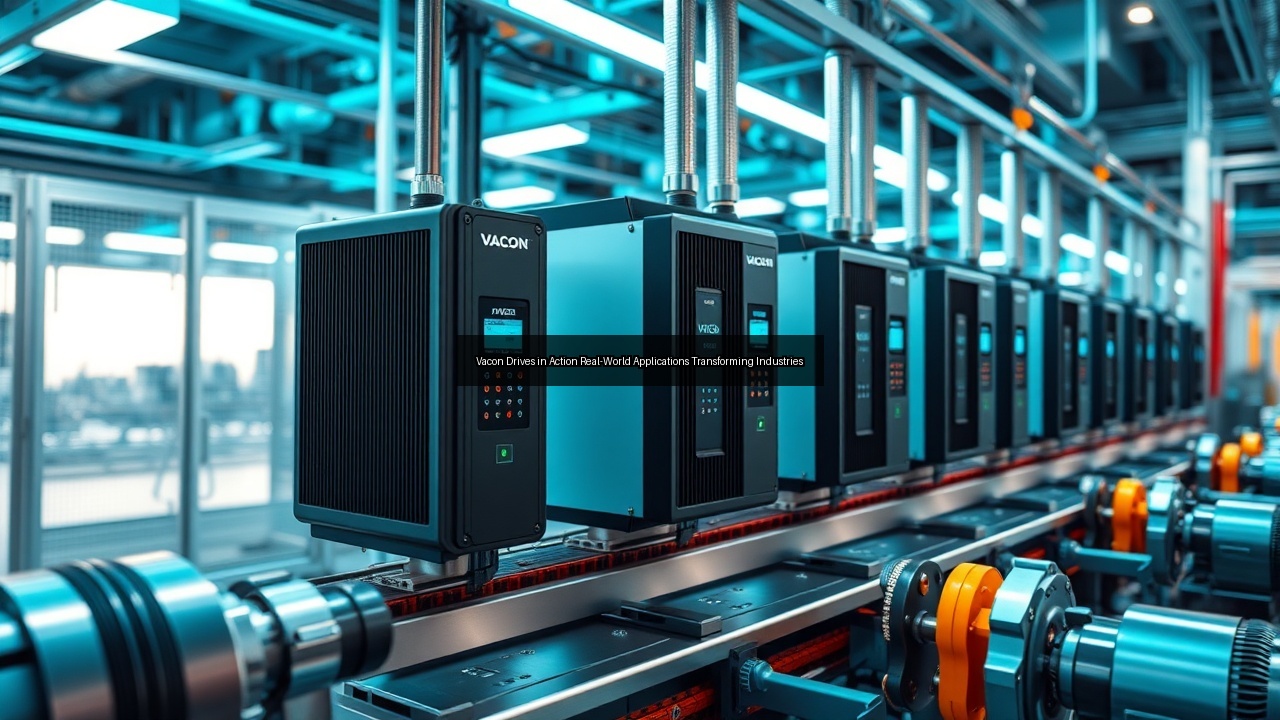
Overview of Vacon Drives in Modern Industries
Introduction to Vacon Drives
Vacon drives deliver precise control over motor speed and torque in demanding environments. These systems stand out because they handle both low and high power applications with consistent reliability. Engineers select vacon ac drives when they need robust performance without frequent maintenance interruptions. The technology supports multiple communication protocols that connect easily to existing plant networks. Companies adopt vacon drives to reduce mechanical stress on motors and extend equipment life. Operators notice smoother starts and stops that protect connected machinery from sudden shocks. Vacon continues to refine its firmware so that users receive regular updates that improve diagnostics and fault handling. This focus keeps vacon drives competitive across global markets where uptime matters most.
Importance of Variable Frequency Drives
Variable frequency drives adjust motor speed to match actual load requirements instead of running at full speed constantly. This capability cuts energy waste and lowers operating costs in facilities that run pumps, fans, and conveyors. Variable frequency drive units also improve process control because they respond instantly to changing production demands. Maintenance teams report fewer bearing failures and reduced vibration when motors operate under variable frequency drive control. The devices protect motors from voltage spikes and phase imbalances that often occur on industrial power lines. As a result, plants experience longer intervals between scheduled shutdowns. Variable frequency drives further enable soft starting that prevents high inrush currents from tripping breakers or stressing transformers.
Vacon's Role in Energy Efficiency
Vacon drives optimize energy use by matching motor output exactly to process needs at every moment. Their built-in energy counters let operators track savings in real time and justify further investments. Facilities that install vacon ac drives often record double-digit reductions in electricity consumption within the first year. The drives recover braking energy in applications such as cranes and centrifuges, feeding power back into the supply. Vacon engineers design compact cabinet solutions that fit into tight electrical rooms without extra cooling. This efficiency focus aligns with corporate sustainability targets that require measurable drops in carbon emissions. Users value the transparent reporting tools that document performance improvements for management reviews.
Vacon Drives in HVAC Systems
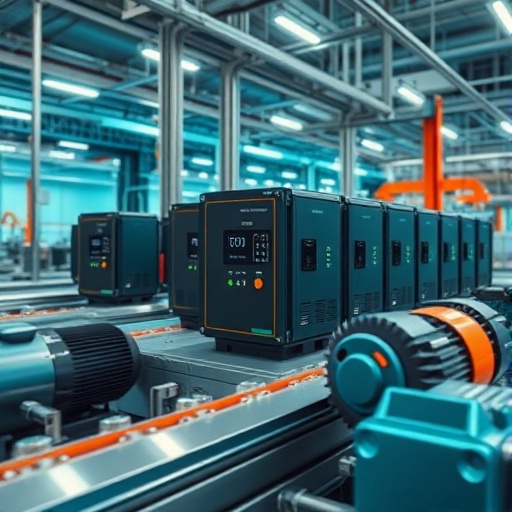
Optimizing Energy Consumption in HVAC
Vacon drives regulate fan and pump speeds in commercial buildings so that heating and cooling output tracks occupancy and weather changes. Building managers see immediate drops in peak demand charges after fitting variable speed drives to air handling units. The drives maintain stable duct pressures while avoiding the energy penalty of constant full-speed operation. Sensors feed temperature and airflow data directly to vacon drives, which then fine-tune motor rpm without operator intervention. Over time these adjustments accumulate into substantial utility savings that appear on monthly energy statements. HVAC contractors prefer vacon because the units tolerate the dusty, humid conditions found in mechanical rooms. Proper sizing of each drive ensures quiet operation that does not disturb occupants in adjacent spaces.
Integration with Electric Motors
Electric motors paired with vacon drives run cooler and last longer because speed matches load rather than running at line frequency all day. Installers mount the drives close to motors or in centralized panels depending on cable lengths and harmonic concerns. Vacon ac drives supply clean output waveforms that reduce audible noise and vibration transmitted through ductwork. Retrofit projects often reuse existing motors once technicians confirm insulation class and bearing suitability for variable speed duty. The combination of vacon drives and modern electric motors supports demand-controlled ventilation strategies required by updated building codes. Commissioning software simplifies parameter setup so that technicians finish integration in hours rather than days.
Case Studies: Successful HVAC Implementations
A large hospital replaced constant-speed fans with vacon drives across its air handling units and measured 28 percent lower energy use after twelve months. The variable frequency drives maintained precise room pressures critical for surgical suites while cutting noise levels in patient areas. Another installation at a university campus library used vacon ac drives on chilled-water pumps to stabilize temperatures during fluctuating occupancy. Facility staff accessed drive data through the building automation system and scheduled maintenance based on actual runtime hours instead of calendar dates. Both projects demonstrated rapid payback periods under three years when utility rebates offset part of the equipment cost.
Enhancing Industrial Automation with Vacon Drives
Vacon Drives and Actuators
Vacon drives supply the variable speed signals that let actuators position valves, dampers, and gates with high repeatability. The closed-loop control features inside each drive maintain setpoints even when mechanical loads change suddenly. Process engineers trust vacon ac drives because they handle both torque and speed modes without additional hardware. Actuators driven by these units move smoothly at low speeds where older contactor-based systems would stall or overshoot. Fieldbus connections allow the drives to receive position commands directly from PLCs or DCS platforms. This tight integration reduces wiring complexity and improves overall system diagnostics during troubleshooting.
Applications in Manufacturing Processes
Manufacturing lines rely on vacon drives to synchronize conveyor sections and robotic arms that must match production takt times. Extrusion lines use the drives to maintain constant material flow despite variations in feedstock viscosity. Packaging equipment benefits from rapid acceleration profiles that vacon drives execute without mechanical shock to gearboxes. Metal processing plants apply vacon ac drives on rolling mills where precise tension control prevents strip breaks. The drives store multiple parameter sets so that operators can switch recipes quickly during product changeovers. These capabilities raise overall equipment effectiveness while lowering scrap rates across diverse production environments.
Improving Precision and Control with VFDs
Variable frequency drives from vacon deliver encoder feedback options that achieve positioning accuracy measured in fractions of a motor revolution. This precision supports applications such as winding machines and cut-to-length lines that demand tight tolerances. The VFDs include built-in PID controllers that regulate pressure, flow, or temperature without external loop controllers. Operators adjust gain settings through the keypad or remote software to optimize response times. Advanced vacon drives also provide safe torque off functions that meet machinery safety standards without extra contactors. The result is tighter process control and reduced commissioning time on new production cells.
Transforming Water and Wastewater Management
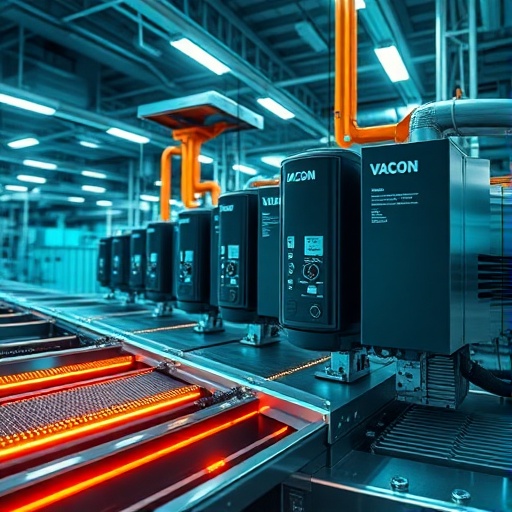
Vacon Drives for Pump Control
Vacon drives manage pump speed to match varying inflow rates at lift stations and distribution networks. The units prevent water hammer by ramping motors down gradually instead of stopping abruptly. Operators monitor suction and discharge pressures through the drive display and receive early warnings of impending cavitation. Vacon ac drives support multi-pump cascades that stage additional units only when demand exceeds the capacity of running pumps. This staging strategy keeps each pump near its best efficiency point and extends seal and bearing life. Remote telemetry links allow utility staff to adjust setpoints from a central control room during storm events.
Efficiency in Water Treatment Plants
Water treatment plants install vacon drives on aeration blowers and chemical dosing pumps to cut energy costs that dominate operating budgets. The drives maintain dissolved oxygen levels within narrow bands by varying blower speed rather than throttling valves. Filter backwash cycles benefit from precise flow control that vacon ac drives provide without oversized motors. Plant managers track cumulative kilowatt-hour savings through the drives’ energy monitoring functions. These documented reductions help justify budget requests for phased replacement of older starters. The robust design of vacon drives withstands the corrosive atmosphere and occasional flooding common in treatment facilities.
Real-World Examples of Vacon Applications
A municipal wastewater plant fitted vacon drives to its influent pumps and recorded a 22 percent drop in annual electricity consumption. The variable frequency drives also reduced peak demand, lowering the utility tariff bracket for the entire site. Another coastal desalination facility uses vacon ac drives on high-pressure pumps to optimize recovery rates while protecting membranes from pressure surges. Both installations reported fewer emergency call-outs because the drives log detailed fault histories that guide preventive maintenance. These outcomes illustrate how vacon drives deliver measurable operational improvements in critical water infrastructure.
Future Trends in Vacon Drives Technology
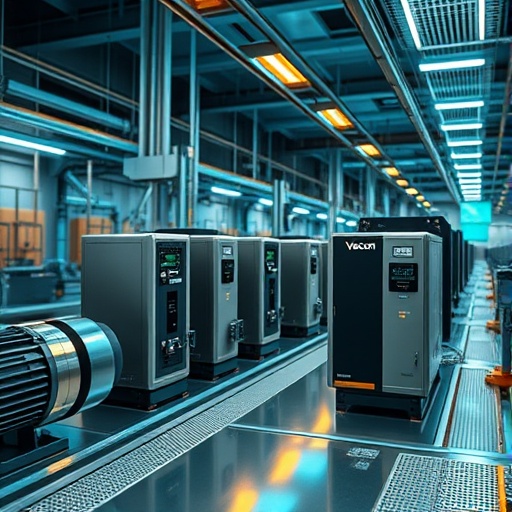
Emerging Innovations in AC Drives
New generations of vacon ac drives incorporate silicon-carbide power modules that shrink physical size while raising switching efficiency. These components allow higher carrier frequencies that reduce motor noise without additional filters. Vacon engineers also embed machine-learning algorithms that detect developing bearing wear from current signatures. The resulting predictive alerts reach maintenance teams days before vibration sensors would register problems. Updated hardware supports wider voltage ranges so that the same drive model serves both 400 V and 690 V systems. These advances keep vacon drives at the forefront of ac drive technology for industrial users.
The Role of IoT in Drive Solutions
IoT connectivity turns each vacon drive into a data source that feeds cloud dashboards with runtime, temperature, and energy metrics. Plant engineers receive push notifications on smartphones when parameters drift outside configured limits. Integration with enterprise asset-management systems schedules service automatically based on actual operating hours rather than fixed intervals. Vacon ac drives support secure MQTT protocols that protect data in transit across public networks. This connectivity layer enables remote firmware updates that add features without site visits. The combination of IoT and vacon drives accelerates the shift toward condition-based maintenance across multiple facilities.
Sustainability and Environmental Impact of Vacon Drives
Vacon drives contribute to sustainability goals by lowering the electricity demand of motors that account for a large share of industrial consumption. Their regenerative models return braking energy to the grid instead of dissipating it as heat. Manufacturers document the carbon footprint of each drive during production so customers can include those figures in scope-three reporting. End-of-life recycling programs recover valuable metals and electronics from returned units. The long service life of vacon ac drives reduces the frequency of replacements and the associated manufacturing emissions. These factors combine to make vacon drives a practical choice for organizations that must meet tightening environmental regulations while maintaining productivity.